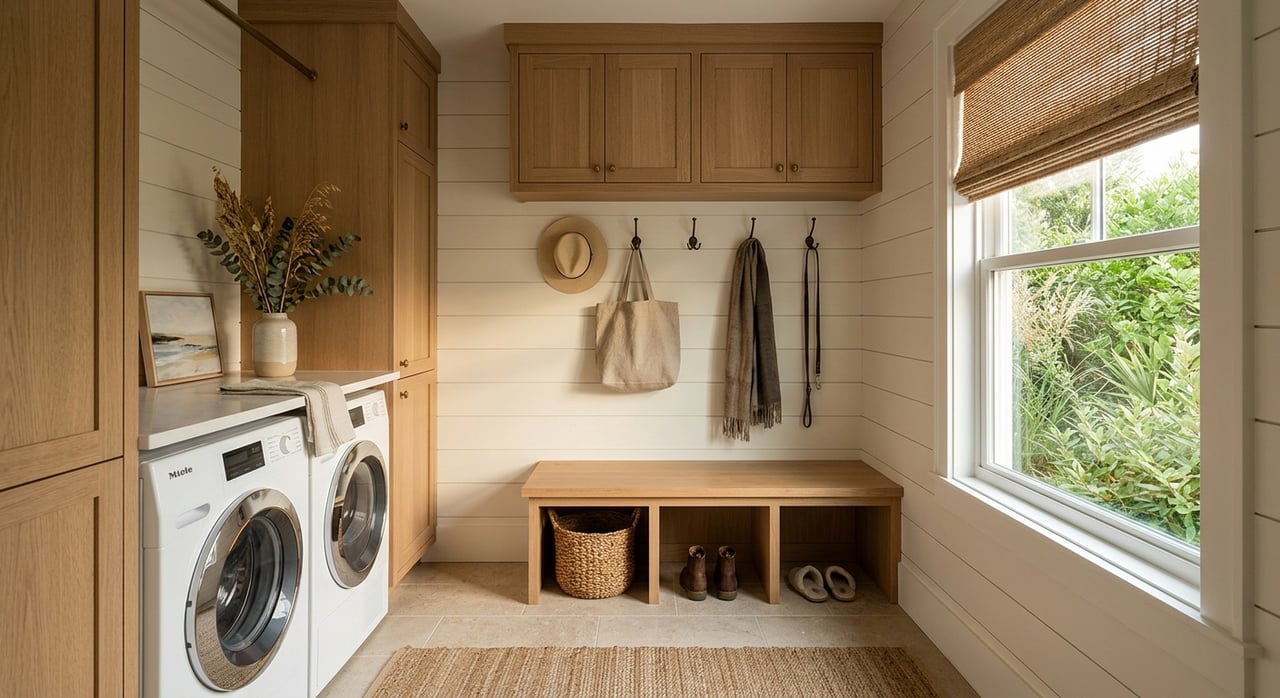
Plan Bald Head Island Home Renovations With Confidence
June 4, 2026
June 4, 2026
Renovating on Bald Head Island is not like renovating on the mainland. Even a simple project can involve ferry schedules, barge reservations, layered approvals, and coastal rules that affect what you can do and when you can do it. If you are thinking about updating a home here, careful planning can save you time, money, and stress. Let’s dive in.
On Bald Head Island, access shapes almost every renovation decision. Passenger cars are not allowed on the island, and standard transportation is by golf cart, bicycle, or tram. That means your contractor, tools, and materials have to move through ferry and barge logistics instead of a normal truck delivery schedule.
This matters early, not just once work starts. If materials arrive late, a crew misses transport, or equipment is not staged correctly, your project timeline can slip fast. On an island, planning the move-in process for labor and supplies is part of the renovation itself.
One of the biggest mistakes owners make is treating permits like a final box to check. The Village of Bald Head Island says construction, alteration, repair, improvement, or demolition cannot begin without a permit. Many homes also need review through the Bald Head Association Architectural Review Committee, often called the ARC.
That means most projects move through more than one approval path. Depending on the scope, you may need Village permitting, ARC review, and coastal or flood-related documentation. It is much easier to define your scope clearly at the start than to revise plans halfway through.
The Village’s Development Services team handles planning and building inspections. Based on the contractor handbook, a permit package may require scaled plans, a recent survey, elevation information, and CAMA documentation if the lot is in an Area of Environmental Concern.
That is why early coordination matters. Bringing in your contractor, designer, and surveyor at the beginning can help you avoid delays caused by missing documents or incomplete applications.
The Bald Head Association has separate ARC application paths for major renovations, minor renovations or changes, roof changes, paint and color changes, plant-material changes, and demolition. Even cosmetic work may need review.
Paint is a good example. The Association says pre-approved paint palette reviews are usually about two weeks, while a custom palette can take up to 1.5 months and has a $125 cost. If your project includes exterior updates, that extra time should be built into your schedule from day one.
On Bald Head Island, floodplain and coastal regulations can affect both your budget and your final scope. If a property is in the Special Flood Hazard Area, the Village requires a floodplain development permit. Coastal work also must comply with CAMA requirements.
There is another rule that can have a major effect on planning. If your project reaches or exceeds 50% of the building’s market value, it must meet the same construction requirements as a new building. That can turn what looked like a moderate renovation into a much larger compliance project.
This is where careful budgeting becomes more than a financial exercise. When you know what work is essential, what work is optional, and what work could trigger added requirements, you can make smarter decisions before construction starts.
For many owners, that means pricing the project in phases. A clear phase-one budget can help you protect habitability and durability first, then decide whether cosmetic upgrades should follow later.
On Bald Head Island, the best value-add is often not the flashiest one. Because of flood rules, coastal exposure, and access limits, it often makes sense to address the building envelope and core systems before spending heavily on decorative finishes.
That could mean prioritizing roofing, exterior components, structural repairs, or system updates before moving on to a kitchen facelift or style-driven interior work. When a home is harder to access and repair later, durable planning has real value.
It is easy to underestimate “small” jobs on the island. Exterior paint, trim changes, site work, or a deck refresh may still involve ARC review, scheduling constraints, delivery logistics, and weather delays.
In other words, cosmetic does not always mean quick. If you are trying to improve the home for personal use, resale, or a future value-add strategy, it helps to treat every exterior change with the same planning discipline as a larger renovation.
Your renovation calendar should start with transportation, not with demo day. BHI Transportation says ferry and tram reservations should be made at least three hours before travel. Passengers should arrive 40 minutes early, be in line 15 minutes before departure, and departing luggage should be ready 45 minutes before the scheduled ferry.
Those details may sound small, but they affect contractor movement and owner oversight. Missed reservations can mean waiting for the next available ferry or rescheduling, which can slow a project quickly.
For vehicles and equipment, the barge has its own rules. Reservations are required both ways, cancellations must be made at least 24 hours in advance to avoid full charges, and pricing is based on deck-space increments tied to vehicle length.
Only one person is allowed in a vehicle on the barge. That means large deliveries often need a staged logistics plan, not a casual one-trip assumption.
Contractor-specific transportation is separate from standard passenger travel. BHI Transportation has a distinct contractor schedule, and the contractor ferry page notes there is no tram or checked luggage.
The Village contractor handbook also identifies a Contractor Services Facility that serves as a staging point for contractor trams and offers container rentals, parking, and fuel. For a smooth project, your contractor should plan around that system rather than relying on standard visitor routines.
Weather is not a side note in coastal renovation planning. The Atlantic hurricane season runs from June 1 through November 30, and barge operations note that wind or fog can disrupt service.
That does not mean you cannot renovate during those months. It does mean your timeline should include buffer room for interruptions, especially when materials, crews, or inspections depend on water access.
The Village contractor handbook says building permits can become invalid if work does not begin within six months or if work is suspended for a year. That is important for phased projects.
If you plan to renovate in stages, each phase should match a realistic start-and-finish window. It is better to sequence work carefully than to overcommit to a timeline that cannot be supported by approvals, transport, and weather.
On Bald Head Island, exterior and site work can carry more rules than many owners expect. The contractor handbook says tree removal and major pruning can require permits. It also notes that debris must be contained on the worksite and that one construction trailer is allowed per job site, subject to size limits.
That means landscaping, decks, outdoor stairs, and exterior improvements deserve the same early review as interior changes. Seemingly minor site work can affect both approval timelines and day-to-day jobsite management.
If you are buying a home that needs work, or refinancing to renovate, the right financing structure can make the process more manageable. HUD’s 203(k) program allows a borrower to finance purchase or refinance costs and rehabilitation through one mortgage, with rehab funds held in escrow and released as work is completed.
For larger projects, Standard 203(k) applies to major rehabilitation or repairs and requires a HUD consultant. For smaller projects, Limited 203(k) is designed for minor remodeling and non-structural repairs up to $35,000, and consultant use is optional.
HUD’s Title I Property Improvement Program may fit some improvement-only projects. For single-family homes, HUD says those loans may be up to $25,000, with fixed rates negotiated with the lender, and the structure must have been completed and occupied for at least 90 days before application.
The key is matching the loan product to the scope. A small update, a major rehab, and a staged improvement plan may each call for a different financing path.
Not every lender is comfortable with draw-based rehab administration, contractor documentation, or the timing issues that come with island projects. If you are exploring financing, it helps to talk with lenders that have actual renovation-loan experience.
That kind of preparation can reduce surprises later. It can also help you build a scope that fits both your property goals and your financial comfort level.
If you want a renovation to go smoothly on Bald Head Island, think in layers. First, confirm the property conditions, the likely approval path, and any flood or coastal issues. Next, build a realistic scope, then coordinate transportation, staging, and contractor timing before the first day of work.
Most important, give yourself room for the island’s pace. When you plan around permits, logistics, and durability from the start, you are more likely to protect your budget and improve the home in a way that makes sense for this unique coastal market.
Whether you are evaluating a purchase with renovation potential or planning upgrades to a home you already own, a clear strategy matters. If you want thoughtful guidance on value, renovation planning, and next steps, Barbara Adams is here to help.


I am committed to guiding you every step of the way—whether you're buying a home, selling a property, or securing a mortgage. Whatever your needs, I've got you covered.