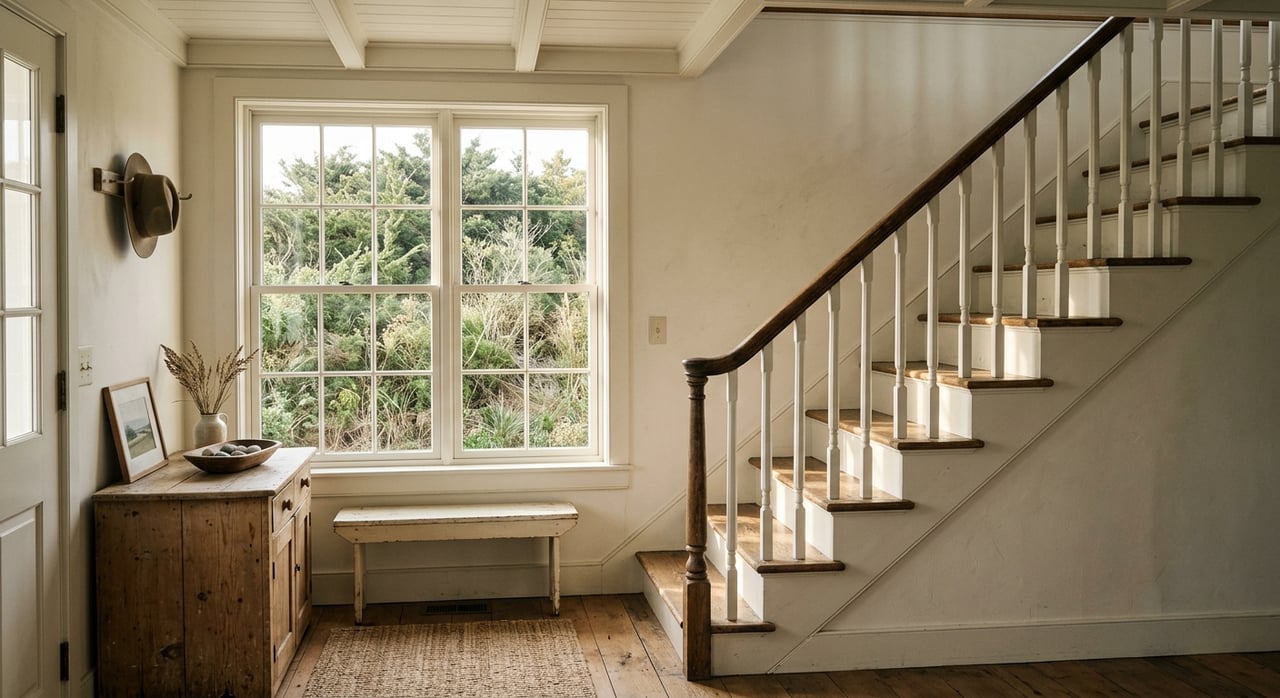
Your Guide to a Bald Head Island Real Estate Closing
May 21, 2026
May 21, 2026
Buying or selling on Bald Head Island can feel refreshingly simple until you get to closing day logistics. A real estate closing here still follows North Carolina rules, but the island’s ferry access, tram timing, association details, and move-in setup can add steps that are easy to overlook. If you want a smoother path from contract to keys, it helps to know what is standard, what is island-specific, and where timing matters most. Let’s dive in.
A Bald Head Island closing uses the normal North Carolina legal framework, but the setting changes how you plan your time. The island is accessible by passenger ferry or private vessel, and passenger cars are not allowed on the island. Most on-island transportation happens by golf cart, bicycle, or tram.
That means even ordinary closing tasks can require more coordination than a mainland transaction. A final walk-through, a contractor visit, or a same-day settlement appointment may all depend on ferry schedules and tram timing. If one part of the day shifts, the rest of the schedule can shift with it.
The passenger ferry ride from Deep Point Marina is about 20 minutes. BHI Transportation encourages passengers to book at least three hours ahead, arrive at the lower-level ferry terminal at least 40 minutes before departure, and be in line 15 minutes before scheduled boarding. Tram service to and from the ferry terminal is included with a general fare passenger ticket.
In North Carolina, buyers are generally advised to hire a North Carolina licensed attorney to perform the closing. The closing attorney typically examines title, obtains title insurance, prepares or supervises the closing documents, and records the deed and any deed of trust. Settlement commonly takes place at the closing attorney’s office.
For you, that means the closing is not just about signing papers. It also includes title review, document preparation, and recording steps that must line up correctly. On Bald Head Island, that legal process is standard, but your travel and access planning deserve just as much attention.
On the island, being a few minutes late can create more than a minor inconvenience. If you miss a reserved sailing, your walk-through, contractor meeting, or closing appointment may need to be rescheduled. That is why a little schedule cushion can go a long way.
If you are buying, try to avoid stacking appointments too tightly. If you are selling, it helps to leave room for inspectors, repair verification, and any last-minute property access requests that come up before closing. A calm timeline often protects you from unnecessary stress.
In North Carolina, the due diligence period is the main pre-closing window. It is negotiated between the parties and does not have a standard length. During that time, buyers typically inspect the property, negotiate repairs, and work through financing, appraisal, and insurance.
The buyer can terminate during due diligence for any reason or no reason. The buyer usually pays for inspections and related investigations, while the seller is not required to make repairs. Sellers generally must provide reasonable access through closing for inspections, repair verification, and the final walk-through.
If you are buying a Bald Head Island home, use the due diligence period carefully and early. The more island-specific the property logistics are, the more important it is to confirm them before closing gets close.
Focus on these items first:
For most mortgages, the lender must deliver the Closing Disclosure at least three business days before closing. Closing costs typically run about 2% to 5% of the purchase price, not including the down payment. Reviewing those numbers ahead of time can help you avoid surprises.
Even well-managed transactions can slow down. NC REALTORS notes that settlement can be delayed by lender processing or a title defect that needs corrective action. On Bald Head Island, a short delay may also affect your ferry plans, contractor scheduling, and move-in timing.
That is why a practical closing plan should include some margin. If your movers, vendors, or family travel plans depend on a same-day turnover, it is smart to build in flexibility.
Association review is one of the most important local details to address early. According to the Bald Head Association, dues-verification requests must be made in writing, and the current HOA transfer fee is $150 per sale. The Association also notes that Bald Head Island has three master associations, and some neighborhoods may have supplemental dues.
That means your pre-closing review should go beyond the purchase price and loan terms. You will also want to understand what dues apply, whether there are any special assessments, and which association rules affect the property.
NC REALTORS notes that closing costs often include HOA dues and special assessments. Unless the parties agree otherwise, confirmed special assessments are usually the seller’s responsibility, while unapproved special assessments are generally the buyer’s responsibility.
If you are thinking about exterior work after closing, do not wait until move-in to ask questions. The Bald Head Association manages architectural review and enforces covenants and secondary covenants across many island neighborhoods.
In simple terms, a contractor’s availability is only one part of the plan. Association review may also affect the timing of exterior changes, installations, or upgrades. If improvements are part of your purchase strategy, that should be part of your closing conversation early.
Brunswick County recording requirements also deserve attention. Recorded documents must have original signatures and notarization, and deeds must meet the county’s tax-certification requirements. The county records deeds, deeds of trust, mortgages, easements, and related instruments through approved methods, including in person, by mail, courier, or eRecording for eligible legal and financial companies.
Deeds are also subject to North Carolina excise tax on deeds, which Brunswick County describes as $1 per $500 of value. In most transactions, your closing attorney handles the recording process. Even so, it helps to understand that closing is not complete until the legal recording steps are done.
The final walk-through is your chance to confirm the home’s condition before signing. This is especially important if repairs were negotiated or if the home includes items that should stay with the property.
Before closing, confirm:
On Bald Head Island, this step is not just about the house. It is also about making sure your transportation plan supports the appointment.
Closing is only the handoff. On Bald Head Island, move-in and ownership setup can feel like a second project of their own. The smoother you handle these details, the easier your first weeks of ownership will be.
The Village of Bald Head Island provides water and sewer service. New owners set up utility accounts with a Utility Service Agreement, and utility bills are due on the 20th of each month. The Village also publishes contact information for electric, phone, internet, and cable providers.
One island-specific detail surprises many new owners. The Bald Head Association says there is no mail delivery to homes on Bald Head Island. The Village Welcome Guide explains that property owners can open a post office box at no charge.
Large deliveries also need planning. Oversized items such as sofas or sectionals usually move through the BHI Warehouse and barge system rather than standard parcel delivery. If you are ordering furnishings right after closing, that timing matters.
Repairs and installations may take more planning than they would on the mainland. BHI Transportation provides contractor ferry schedules, ticket information, tram reservations, luggage guidance, announcements, and status updates. The Village also maintains a Contractor Handbook and Contractor Services Facility.
The practical takeaway is simple: vendor work may need extra lead time. If your post-closing plan includes painting, furniture delivery, internet setup, or exterior work, it is wise to schedule farther ahead than you think you need.
If the home comes with a golf cart, confirm the next steps before closing day. The Bald Head Association says golf carts must be registered with the Village. Because golf carts are central to getting around the island, this is more than a paperwork detail.
A Bald Head Island closing is not necessarily harder than a mainland closing, but it is more layered. The legal framework may be familiar, yet ferry reservations, association review, recording details, utilities, deliveries, and island transportation all shape your experience.
If you plan ahead, ask the right questions early, and leave room in your schedule, you can reduce stress and avoid many common last-minute problems. Whether you are buying a second home, selling a longtime property, or navigating a major life transition, thoughtful preparation makes all the difference.
If you want steady guidance through the details, from timing and paperwork to practical next steps, schedule a confidential consultation with Barbara Adams.



I am committed to guiding you every step of the way—whether you're buying a home, selling a property, or securing a mortgage. Whatever your needs, I've got you covered.