Bald Head Island Wildlife Seasons and What to Expect
July 9, 2026
July 9, 2026
Ever wonder what kind of wildlife moments become part of daily life on Bald Head Island? This is one of those places where a beach walk, an evening cart ride, or a quiet pause near the marsh can turn into a memorable sighting. If you are curious about what you might see and when you are most likely to see it, this guide will walk you through the island’s signature wildlife experiences. Let’s dive in.
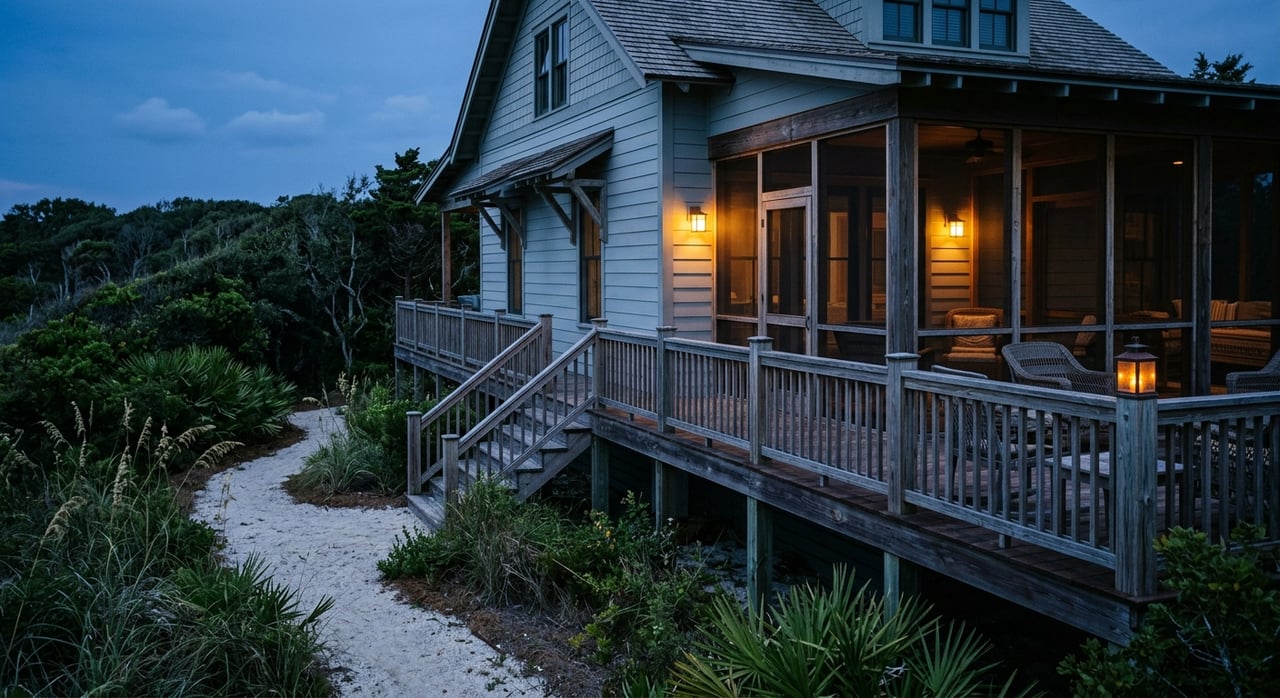
Bald Head Island offers more than scenic views. Its beaches, marshes, ponds, and maritime forest create year-round opportunities to notice animals in their natural habitats. Because the island is car-free, the pace feels slower, which makes bird calls, shoreline movement, and dusk activity easier to catch.
What makes the experience especially meaningful is that wildlife viewing here is closely tied to conservation. The Bald Head Island Conservancy, founded in 1983, supports research, education, and wildlife monitoring across the island. That ongoing work helps shape how residents and visitors experience sea turtles, birds, deer, alligators, and other species with care and respect.
The beaches are often where people first connect with Bald Head Island wildlife. These stretches of sand support both sea turtles and nesting shorebirds, so even a simple morning or evening walk can feel eventful.
According to the Bald Head Island Conservancy, loggerhead sea turtles are the species people most often encounter here. The island also sees occasional green sea turtles and rare leatherback and Kemp’s ridley nests. For many people, that possibility alone makes summer nights on the island feel special.
Sea turtle nesting season runs from May 1 through October 31. Your best chance to experience turtle-focused moments is typically in summer, especially during Turtle Walk season, which starts around the first week of June and runs nightly through the first week of August.
Later in the season, the story shifts from nesting to hatchlings and nest excavations. That means late summer and early fall can still bring unforgettable wildlife moments, even after the peak of organized turtle walks has passed.
The same beach system also supports shorebirds that nest directly on the sand or in shell rakes. Species noted by the Conservancy include Wilson’s plovers, least terns, and American oystercatchers.
Shorebird nesting season begins March 1 and runs through August 31. During that time, you may notice roped-off areas and posted signage along the beach. Those visible protections are part of everyday island life and a reminder that wildlife here shares the shoreline with you.
If you enjoy quieter wildlife watching, the island’s marshes, creeks, and freshwater ponds can be some of the most reliable places to look. These habitats support a wide range of species, and activity often builds at dusk.
The Conservancy reports that nearly every freshwater lagoon has at least one large alligator. That does not mean every outing turns into a close encounter, but it does mean ponds and lagoon edges deserve your attention and your distance.
You may also hear regular island conversations about diamondback terrapins, coyotes, red foxes, and gray foxes. In creeks and marshy areas, these animals are part of the broader coastal habitat that gives Bald Head Island its layered, natural character.
Evening can be one of the most rewarding times to watch for bird activity. The Wildlife Overlook and Ibis Sanctuary are known for active roosts that may include white ibis, great egrets, snowy egrets, little blue herons, black-crowned night herons, anhingas, and even roseate spoonbills.
If you like slow, peaceful moments in nature, this is one of the island’s great rewards. A sunset stop near the marsh can deliver a different kind of wildlife memory than the beach, with more stillness and more sound from the birds overhead and along the water.
Not all wildlife moments happen on the shoreline. In the maritime forest and along neighborhood edges, you can see some of the island’s most familiar land animals.
White-tailed deer are among Bald Head Island’s signature species. The Conservancy notes that the island is excellent deer habitat because hunting is not allowed and there are few vehicle collisions, so deer are commonly tracked along roads and golf-course routes.
For you, that means deer sightings can become part of normal island routines rather than rare events. Early morning and evening are often the times when these moments feel most noticeable, especially when the island is quiet.
Spring brings one of the clearest shifts in wildlife activity. Ospreys return from their winter homes, marking the season in a very visible way.
Painted buntings are another warm-season highlight in the maritime forest and scrub. The Conservancy notes that they can be seen from April through October, are often most abundant in mid-summer, and some even winter on the island.
Wildlife on Bald Head Island changes with the calendar, so timing matters. If you know what each season tends to bring, you can plan your days around the experiences that interest you most.
Spring is a strong season for bird activity. Adult and fledgling birds are especially active from spring through late summer, shorebird nesting begins on March 1, and osprey return as a familiar sign of the season.
This is a good time if you enjoy active beaches, visible bird movement, and the sense that the island is waking up. You may also start seeing the first signs of the sea turtle season as May begins.
Summer is the peak season for turtle-focused wildlife moments. Turtle Walks run in early summer, and warmer months also bring nighttime beach monitoring, alligator surveys, and deer spotlight surveys.
If you picture Bald Head Island wildlife at its most iconic, summer is likely what you are imagining. It is the season when the island’s beaches and warm evenings feel most connected to its conservation work.
Late summer and fall continue the sea turtle story through hatchlings and nest excavations. Shorebird nesting wraps up August 31, while migratory birds begin using the island from fall into late winter.
This season can feel especially rewarding if you prefer slightly quieter surroundings but still want meaningful wildlife activity. The transition into migration gives the island a different rhythm without making it feel dormant.
Winter is quieter, but it is not wildlife-free. The Conservancy describes Bald Head Island as a year-round birding destination, with migratory birds continuing to use the island from fall through late winter.
The off-season also fits the island’s slower, car-free lifestyle. Moving by bicycle, electric cart, or on foot can make winter wildlife watching feel calm, observant, and surprisingly rich.
On Bald Head Island, memorable wildlife moments come with shared responsibility. The island’s conservation culture encourages stewardship instead of spectacle, which helps protect the habitats that make these encounters possible.
A few simple habits matter:
The Conservancy also responds to distressed birds, sea turtles, snakes, alligators, and mammals. That support helps reinforce an important local mindset: wildlife encounters are something to respect, not interrupt.
Wildlife is not just an occasional attraction on Bald Head Island. It shapes how the island feels from season to season and from one part of the day to the next. You notice it in red lights on turtle walks, in quiet pauses at sunset roosts, and in early morning deer sightings along everyday routes.
For many people, these moments become part of what makes the island memorable. The combination of protected habitat, slower movement, and active conservation creates a setting where nature feels present in daily life rather than set apart from it.
If you are exploring what makes Bald Head Island living so distinctive, wildlife is a big part of the answer. And if you want local insight into the island lifestyle, Barbara Adams can help you take the next step.



I am committed to guiding you every step of the way—whether you're buying a home, selling a property, or securing a mortgage. Whatever your needs, I've got you covered.