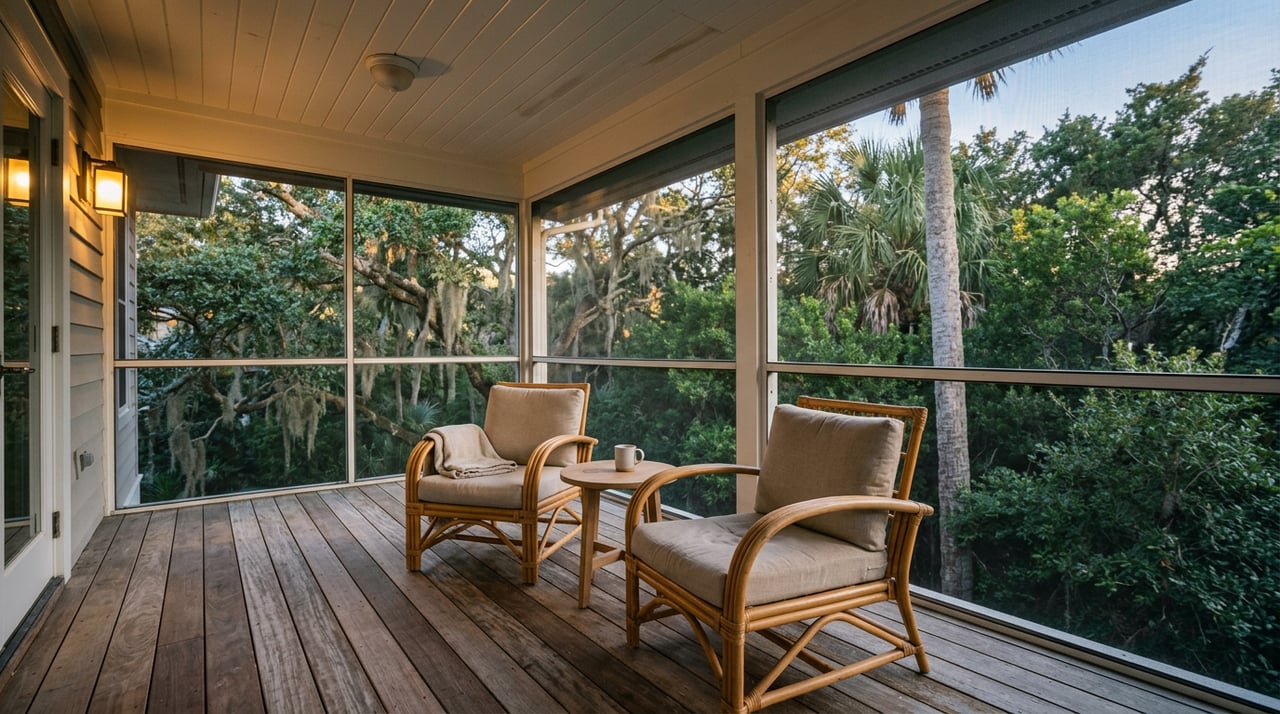
The Bald Head Island Wildlife Overlook Has Quietly Become the Island's Best Roosting Show
August 6, 2026
August 6, 2026
If you have lived on Bald Head Island for more than a few seasons, you probably remember when the Ibis Sanctuary on Middle Island was the reliable answer to the question of where to take an out-of-town cousin at dusk. Hundreds of ibis, egrets, and herons would file in overhead, alligators would surface in the pond, and the frog chorus would take over once the light went. That version of the evening still exists in memory, and in a lot of coffee-table books. It no longer matches what happens on the ground.
The birds have moved. Not far, and not all at once, but decisively enough that Conservancy researchers have started studying the shift as its own phenomenon. Late August into early September is the window when the change is most obvious, because fall migration is beginning to layer new arrivals onto the roost while the summer residents are still holding position. If you have not stopped at the Wildlife Overlook after dinner recently, this is the month to correct that.
The short version is that duckweed happened. A running theory among Bald Head Island Conservancy staff is that a change in water quality at the Ibis Pond, coinciding with the spread of duckweed across its surface, is what pushed roosting birds to look for a better address. Coastal Scientist Allison Polinski and intern researcher Barton have been collecting comparative water samples from both the Ibis Pond and the Wildlife Overlook using the same protocols the Conservancy applies to its weekly creek water assessments, working under Village of Bald Head Island permission to kayak at both sites.
The wildlife side of the study is where it gets useful for residents. Barton has been running two-hour surveys at each site, tracking species richness and evenness. The pattern that has emerged is straightforward: the Wildlife Overlook now pulls the crowd. Birds begin arriving around 6 PM, roughly two hours before sunset, and they keep coming in waves until the light is fully gone. Groups of fifty or more flying in together are not unusual. The researcher's own recommendation, based on the survey data, is to plan your arrival between 7:30 and 8:00 PM if you want to catch the peak.
There is a second question the study is trying to answer, and it is worth keeping in mind before you get too attached to the Overlook: whether the sheer number of birds now concentrating there might eventually stress the roost past its carrying capacity and trigger another exodus. In other words, the Overlook may be the best show on the island right now, and it may not be the best show on the island in five years. That is part of why going this season matters.
The Overlook rewards patience over ambition. A rough playbook for a resident weeknight:
A binocular pair is not required. A binocular pair is a very good idea.
The cast list at the Overlook is not static, which is part of what makes this month interesting. Late summer sits on the seam between breeding-season residents and the first pulses of fall migration, and Bald Head Island's role as a Global Important Bird Area, one of only 720 sites the National Audubon Society has designated worldwide, is precisely because of this stopover function. Its maritime forest, salt marshes, dunes, and beaches give migrating birds a place to rest and refuel that has not been paved over.
Species worth knowing by sight before you go:
The Rufa Red Knot, which uses the North Carolina coast in winter, is not what you are looking at this month. Note it on the mental calendar for later in the year, when it turns gray on its way to the southern tip of South America.
The mistake most residents make is treating the Wildlife Overlook as a one-hour errand rather than the anchor of a real evening. It works better when you build the rest of the night around it.
If you want a guided version, the Bald Head Island Conservancy runs a two-hour birding tour every Wednesday from its campus at 700 Federal Road, with binoculars and spotting scopes provided. The published rates are $20 per person for Friend Members and non-members, $15 for Partner, Sponsor, and Patron Members, and free for Life Members. Reservations run through 910-338-0911. Wednesday afternoons are a good pairing with an Overlook stop after, because the guide will have shown you the species you are then going to see roost.
If you would rather be on the water, the Conservancy's Sunset Kayaking program departs from the Village Creek Access on Federal Road, and its Kayaking the Creeks and Salt Marsh Explorers programs use the same launch. Doubling up a marsh paddle with an Overlook visit turns a weekday evening into something closer to a weekend. Both sites are within easy cart distance of each other.
After Labor Day weekend, the whole rhythm changes anyway. The Labor Day Cookout marks the last of the high-summer visitor surge, and the island gets appreciably quieter in the days after. That quiet is the actual point. The Overlook is a different experience without twenty golf carts pulling in at once, and September resident traffic is close to ideal for it.
Visitors will get the same three-paragraph description of Old Baldy and the ferry that they have gotten for twenty years. The Overlook story is the one that changes year to year, and it is the one that reveals how the island's ecology is actually behaving right now. A pond loses its birds. A dune-side overlook gains them. Researchers show up with sample bottles and behavioral surveys. Six PM becomes 7:30 becomes 8:00 as the sunset shifts through fall.
Watching that kind of change is one of the quieter privileges of living on a barrier island that has kept most of its acreage undeveloped. It is also a reminder of why so many owners here treat their homes as long-horizon holdings rather than short-term stops. The property you buy is next to a story that keeps unfolding.
If you or someone in your circle is thinking about the next chapter of a Bald Head Island chapter, whether that is a full-time move, a downsizing plan, or a family transition that involves an inherited home, I am glad to help think it through with the same care an August evening at the Overlook deserves. Reach out to Barbara Adams for a confidential consultation.
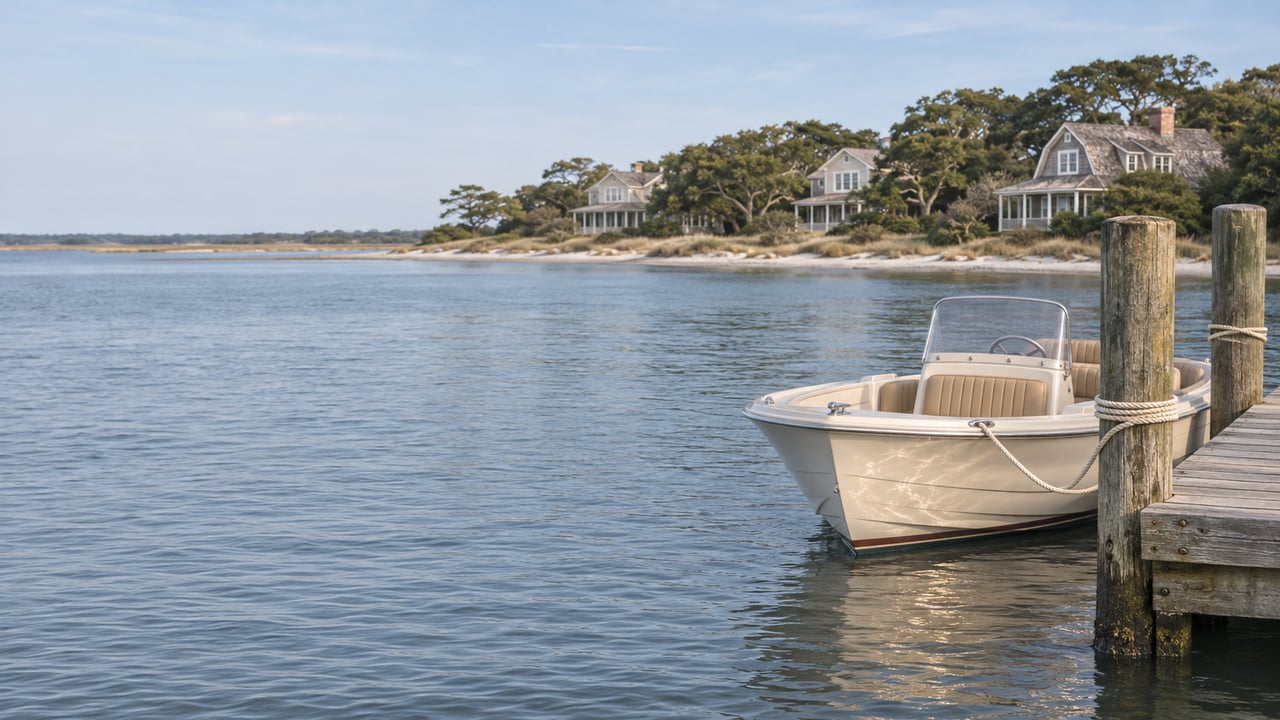
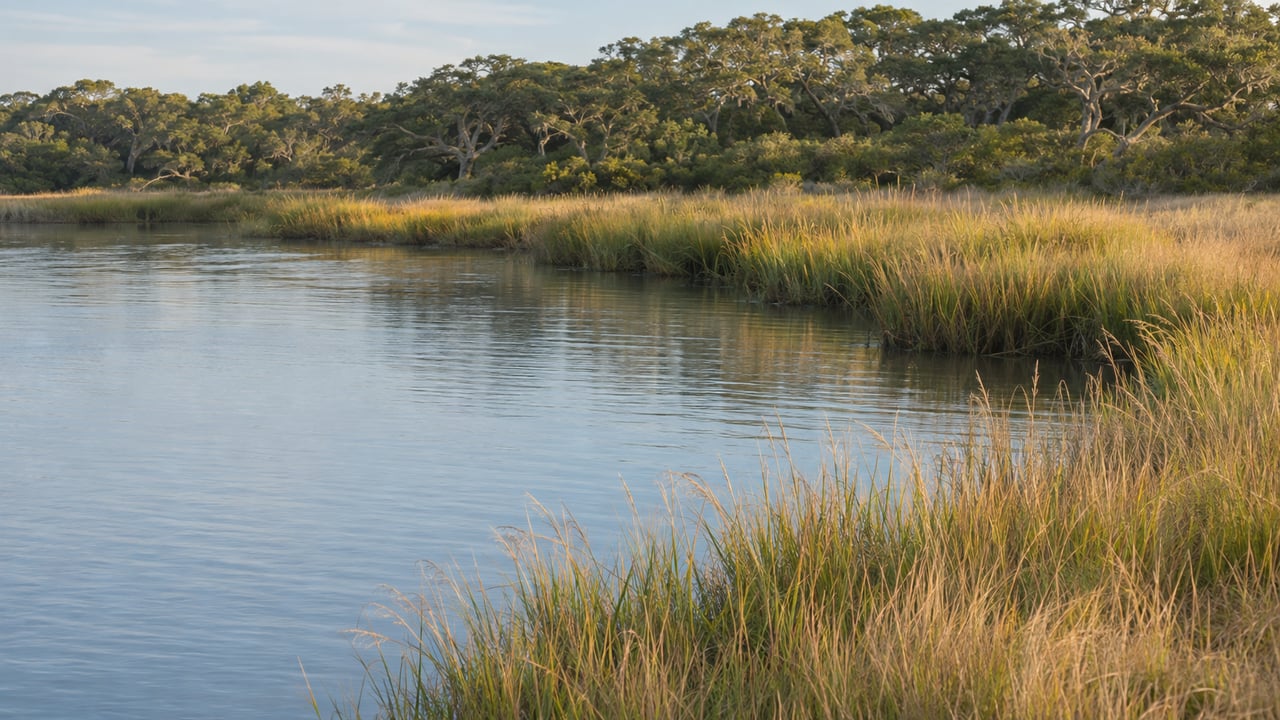
I am committed to guiding you every step of the way—whether you're buying a home, selling a property, or securing a mortgage. Whatever your needs, I've got you covered.